The cosmetic surgery landscape is undergoing a transformation unlike anything seen in the past decade. As we approach 2026, plastic surgeons across the country are reporting a fundamental shift in what patients want – and why they want it. The rise of GLP-1 weight loss medications has created an entirely new category of surgical candidates, while changing beauty standards are pushing aesthetic preferences toward more natural, understated results.
For anyone considering cosmetic surgery, understanding these emerging trends provides valuable context for making informed decisions. Whether you’ve recently lost significant weight and are dealing with excess skin, or you’re exploring breast augmentation options that align with modern aesthetics, the procedures gaining momentum in 2026 reflect a broader movement toward personalized, natural-looking outcomes. This guide examines the key plastic surgery trends shaping patient demand and what they mean for your cosmetic surgery journey.
Why 2026 Is a Pivotal Year for Cosmetic Surgery
Several converging factors make 2026 a turning point for the cosmetic surgery industry. The widespread adoption of GLP-1 medications like Ozempic, Wegovy, and Mounjaro has helped millions of people achieve dramatic weight loss. However, this success has created a secondary challenge – loose, sagging skin that diet and exercise cannot address. Plastic surgeons are now seeing a surge in consultations from patients who have achieved their weight loss goals but feel their bodies don’t reflect their hard work.
Simultaneously, aesthetic preferences have shifted decisively toward natural-looking results. The era of overtly augmented appearances is giving way to subtle enhancements that complement individual features rather than dramatically alter them. This dual pressure – new surgical needs from GLP-1 patients and evolving beauty standards – is reshaping consultation rooms and surgical suites across the industry.
The GLP-1 Effect: Rising Demand for Post-Weight Loss Body Contouring
The impact of GLP-1 medications on plastic surgery demand cannot be overstated. These medications work remarkably well for weight loss, with many patients losing 15-20% or more of their body weight. However, rapid weight reduction often leaves behind stretched skin that has lost its elasticity. The result is excess tissue that hangs from the abdomen, arms, thighs, and other areas – a reminder of the weight that’s been lost rather than a celebration of the achievement.
This phenomenon has driven a significant increase in body contouring procedures specifically tailored to post-weight loss patients. Industry projections suggest this trend will accelerate through 2026 as more patients reach their goal weights and seek surgical solutions for excess skin. For many, body contouring represents the final step in their transformation journey.
Tummy Tucks and Abdominoplasty After Significant Weight Loss
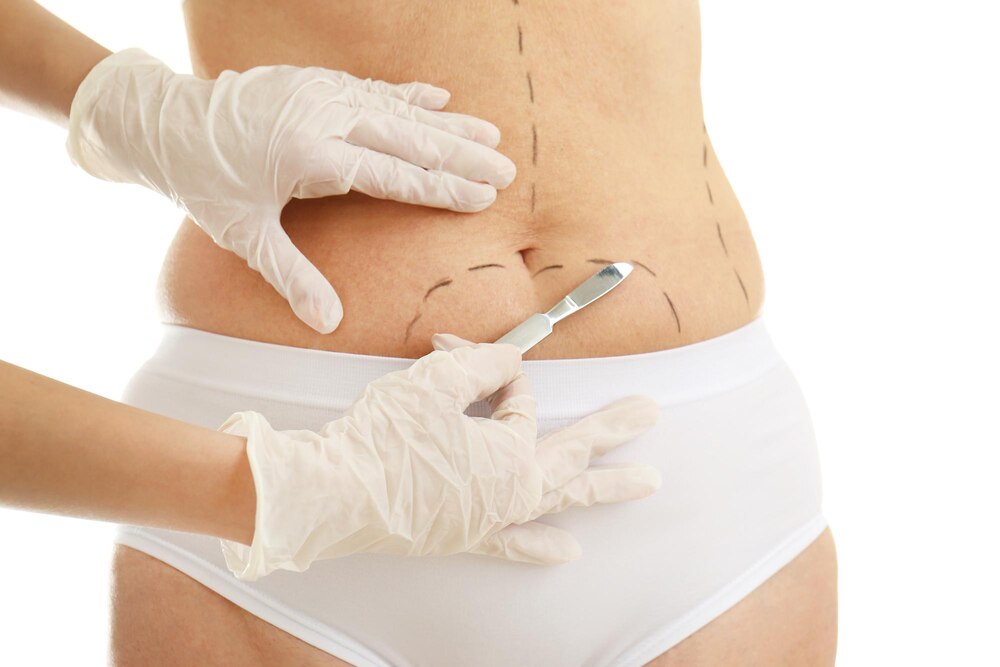
The abdomen consistently ranks as the primary concern for patients who have lost significant weight. Stretched abdominal skin, weakened muscles, and stubborn fat deposits create a combination that no amount of core exercises can resolve. Tummy tuck surgery – or abdominoplasty – addresses all three issues in a single procedure.
During a tummy tuck, the surgeon removes excess skin, tightens the underlying abdominal muscles, and repositions the remaining tissue for a smoother, firmer contour. For post-GLP-1 patients, this procedure often delivers the most dramatic visible improvement. Many describe finally feeling comfortable in fitted clothing or swimwear for the first time in years. The procedure has become so closely associated with weight loss medication users that some surgeons now offer specialized consultation protocols for this patient population.
Arm Lifts, Thigh Lifts, and Full Body Lifts
While the abdomen often receives the most attention, significant weight loss affects the entire body. Arms frequently develop hanging skin – sometimes called “bat wings” – that makes patients self-conscious about sleeveless clothing. Thighs can have similar excess tissue that causes discomfort during movement or exercise. Even the back and buttocks may show significant laxity.
Arm lifts (brachioplasty) and thigh lifts have seen substantial growth alongside the GLP-1 trend. These procedures remove excess skin and reshape the limbs for improved proportions. For patients with extensive loose skin across multiple areas, surgeons may recommend a full body lift – a comprehensive procedure that addresses the abdomen, back, buttocks, and thighs in coordinated stages. Industry analysts project continued acceleration in demand for these comprehensive contouring procedures through 2026 and beyond.
The GLP-1 Makeover: Combining Face, Breast, and Body Procedures
An emerging pattern among post-weight loss patients involves multi-area treatment planning. Dramatic weight reduction doesn’t just affect the body – it changes facial volume and breast shape as well. Patients often notice hollowed cheeks, more prominent nasolabial folds, and breast deflation alongside their abdominal concerns.
Surgeons are increasingly developing staged treatment plans that address these interconnected issues. A patient might begin with body contouring procedures, then move to breast enhancement, and potentially add facial rejuvenation treatments. This coordinated approach – sometimes called a “GLP-1 makeover” – acknowledges that weight loss affects the whole person and often requires whole-person solutions. The American Society of Plastic Surgeons has noted this trend toward comprehensive treatment planning as a significant shift in how surgeons approach post-weight loss consultations.
Natural Breast Aesthetics: The Shift Away from Larger Implants
A distinct trend running parallel to the post-weight loss surgery boom involves changing preferences in breast augmentation. After years of larger implants dominating the aesthetic landscape, patients are increasingly requesting more modest, natural-looking results. This shift reflects broader cultural movements toward authenticity and subtle enhancement rather than obvious augmentation.
Plastic surgeons report that consultation conversations have evolved significantly. Where patients once brought photos of dramatic augmentations as their goal images, many now emphasize wanting results that look like “a really good version of themselves” rather than an obvious transformation. This preference shift is influencing implant choices, surgical techniques, and even the growing interest in implant-free alternatives.
Smaller Implants and Proportional Sizing
The move toward smaller implants represents more than just a style preference – it reflects a sophisticated understanding of long-term outcomes. Smaller implants typically mean less strain on surrounding tissue, reduced risk of complications like bottoming out, and results that age more gracefully over time. Patients are increasingly prioritizing these practical benefits alongside aesthetic preferences.
During consultations, surgeons now spend considerable time discussing proportional sizing. The goal is selecting implants that complement the patient’s existing frame, chest width, and overall proportions rather than simply maximizing size. This individualized approach yields results that enhance without overwhelming – a key priority for today’s breast augmentation patients.
Fat Transfer Breast Augmentation as an Alternative
For patients seeking subtle enhancement without implants, fat transfer breast augmentation offers an increasingly popular option. This procedure harvests fat from areas where patients have excess – often the abdomen, thighs, or flanks – and transfers it to the breasts for natural augmentation. The result is a modest size increase using the body’s own tissue.
Fat transfer appeals to patients for several reasons. There’s no foreign material involved, the results look and feel completely natural, and the procedure simultaneously contours the donor site. However, limitations exist – fat transfer typically provides only one to one-and-a-half cup sizes of enhancement, and some transferred fat may be reabsorbed over time. For patients with realistic expectations, it represents an excellent alternative to traditional implant-based augmentation.
Preserve Technique and Awake Breast Augmentation: Minimally Invasive Advances
Surgical technique innovations are giving patients more options for how their procedures are performed. The “preserve” technique represents a less invasive approach to breast augmentation that maintains more of the breast’s natural anatomy during implant placement. By working around rather than through certain structures, surgeons may reduce trauma and potentially improve recovery times.
Awake breast augmentation has also gained attention as an alternative to traditional general anesthesia procedures. Using local anesthesia and sedation, patients remain conscious but comfortable during surgery. Proponents cite benefits including faster recovery, reduced anesthesia risks, and the ability to provide real-time feedback on positioning. While not appropriate for every patient or procedure, awake techniques reflect the broader industry movement toward less invasive approaches with reduced downtime.
Regenerative Aesthetics: Fat Grafting and Biostimulators
The regenerative aesthetics trend encompasses procedures that work with the body’s natural healing and growth processes rather than simply adding or removing tissue. Fat grafting – beyond its use in breast augmentation – has applications throughout facial and body aesthetics. Transferred fat not only adds volume but may improve skin quality in recipient areas.
Biostimulators represent another growing category within regenerative aesthetics. These products stimulate the body’s own collagen production over time, creating gradual, natural-looking improvement rather than immediate dramatic change. The approach aligns perfectly with current preferences for subtle enhancement and results that don’t look “done.” As patients increasingly prioritize natural outcomes, regenerative techniques will likely continue gaining market share through 2026.
Related Trends Worth Watching: Facial Rejuvenation and Scar Treatment
Beyond the major trends in body contouring and breast aesthetics, several related developments deserve attention. Liquid facelifts – comprehensive injectable treatments that restore volume and smooth wrinkles without surgery – continue growing in popularity among patients seeking rejuvenation with minimal downtime. Vampire facelifts, which use platelet-rich plasma from the patient’s own blood, fit within the regenerative aesthetics movement.
Interestingly, scar treatment has emerged as one of the fastest-growing search categories in aesthetics. Products like silicone scar sheets and scar tape are seeing dramatically increased interest as patients seek to optimize their surgical results. This trend reflects the comprehensive approach modern patients take toward their aesthetic journeys – from procedure selection through recovery optimization.
How to Determine Which Trending Procedure Is Right for You
While understanding current trends provides valuable context, procedure selection should always be highly individualized. A treatment that’s perfect for one patient may be entirely wrong for another, regardless of how popular it becomes. The key is matching your specific anatomy, goals, lifestyle, and expectations with the appropriate surgical approach.
Begin by honestly assessing what bothers you most about your current appearance. Is it excess skin after weight loss? Breast size or shape? Signs of facial aging? Clarity about your primary concerns helps focus consultation discussions. Next, consider your tolerance for downtime, your support system during recovery, and your overall health status. Finally, seek consultation with a board-certified plastic surgeon who can evaluate your individual situation and recommend appropriate options. Trends inform the conversation, but personalized assessment drives good decisions.
Schedule a Consultation at Kashaf Cosmetic Surgery
The plastic surgery trends shaping 2026 reflect a maturing industry increasingly focused on personalized, natural-looking results. Whether you’re navigating the unique challenges of post-GLP-1 body contouring or exploring breast augmentation options that align with today’s aesthetic preferences, expert guidance makes all the difference.
At Kashaf Cosmetic Surgery, Dr. Kashaf Sherafgan and the clinical team specialize in the body contouring and breast procedures driving current patient demand. Every consultation begins with understanding your individual goals and concerns, followed by honest discussion of which approaches will best achieve your desired outcomes. If you’re ready to explore how these emerging trends might apply to your situation, we invite you to schedule a consultation and take the first step toward the results you envision.