The dramatic rise in GLP-1 medications like Ozempic and Wegovy has transformed weight loss medicine, helping millions shed substantial pounds. Yet for many successful patients, rapid weight loss reveals an unexpected challenge – excess, sagging skin that diet and exercise cannot address. At Kashaf Cosmetic Surgery, Dr. Kashaf Sherafgan and our team have witnessed a surge in consultations for body contouring procedures as more patients complete their weight loss journeys and seek surgical solutions to complete their transformation.
Whether you’ve lost weight through semaglutide medications, bariatric surgery, or traditional methods, understanding your body contouring options has become essential. This comprehensive guide explores the medical considerations, timing requirements, insurance possibilities, and surgical procedures available to address excess skin after significant weight loss. From panniculectomy to full body lifts, we’ll help you navigate the path from weight loss success to surgical refinement.
The Rise of Post-Weight Loss Body Contouring in 2025
The landscape of plastic surgery has shifted dramatically with the widespread adoption of GLP-1 medications. According to the American Society of Plastic Surgeons, nearly 59,000 body contouring procedures were performed on massive weight loss patients even before the current medication revolution. Today, that number continues climbing as semaglutide and similar drugs become mainstream weight loss solutions.
The connection between medical weight loss and cosmetic surgery has never been stronger. Plastic surgeons nationwide report increased consultations from patients who’ve successfully lost weight but now face loose, hanging skin that affects both their appearance and quality of life. This trend represents a fundamental shift in how we approach body transformation – from a single-step process to a comprehensive journey that often includes both medical and surgical interventions.
Why 20% of GLP-1 Users Pursue Body Contouring
Recent data suggests approximately 20% of patients using GLP-1 medications ultimately seek body contouring procedures. This significant percentage reflects the physiological reality of rapid weight loss – when pounds disappear quickly, skin that stretched to accommodate extra weight cannot always shrink back to match the body’s new contours. The elasticity needed for skin retraction depends on factors including age, genetics, sun damage history, and the total amount of weight lost.
Patients losing 50 pounds or more often experience the most dramatic skin laxity, particularly in areas like the abdomen, arms, thighs, and face. While younger patients may see some natural skin tightening over time, those over 40 typically find that surgical intervention becomes necessary to achieve their desired appearance. The emotional impact of carrying excess skin after working hard to lose weight drives many to explore surgical options sooner than they initially anticipated.
Morgan Stanley’s 2035 Projection: What It Means for Plastic Surgery
Financial analysts at Morgan Stanley predict that 7% of the U.S. population will be using GLP-1 medications by 2035. This projection suggests millions more Americans will experience significant weight loss in the coming decade, creating unprecedented demand for body contouring services. Plastic surgery practices are already adapting their offerings and expertise to serve this growing patient population.
The implications extend beyond simple volume increases. Insurance companies are developing new coverage policies, surgeons are refining techniques specific to post-medication weight loss patients, and medical teams are establishing protocols for coordinating care between weight loss physicians and plastic surgeons. This evolution represents a new era in aesthetic medicine where medical and surgical weight loss solutions work in tandem.
Essential Timing: When to Schedule Body Contouring After Weight Loss
Timing your body contouring surgery correctly can mean the difference between excellent results and potential complications. The body needs time to stabilize after significant weight loss, and rushing into surgery too quickly can lead to poor outcomes or the need for revision procedures. Understanding the medical reasoning behind timing recommendations helps patients plan their transformation journey more effectively.
Most plastic surgeons recommend waiting until your weight has stabilized for at least three to six months before pursuing body contouring. This stabilization period allows your skin to achieve whatever natural tightening it can manage, gives your body time to adjust to its new metabolism, and ensures you’ve developed sustainable lifestyle habits to maintain your weight loss long-term.
The Six-Month Rule Explained
Dr. Le from U.S. Dermatology Partners emphasizes a crucial guideline: “At bare minimum, I tell my patients they need to wait for at least six months after starting semaglutide treatment or undergoing weight loss surgery to begin body contouring. At the six-month mark, I will usually ask them to come in for an evaluation.” This waiting period serves multiple medical purposes beyond simple weight stabilization.
During these six months, your body undergoes numerous adjustments including nutritional rebalancing, hormonal stabilization, and tissue healing from the stress of rapid weight loss. Surgeons use this time to assess skin quality, identify areas requiring intervention, and ensure patients are physically and emotionally prepared for surgery. Patients who respect this timeline typically experience smoother recoveries and more satisfying results.
Discontinuing Ozempic Before Surgery: What You Need to Know
Medical teams now recommend discontinuing GLP-1 medications several weeks before body contouring surgery. This protocol addresses concerns about delayed gastric emptying, which these medications can cause, potentially increasing anesthesia risks. Your plastic surgeon will coordinate with your prescribing physician to create a safe discontinuation schedule that maintains your weight loss while preparing your body for surgery.
The exact timeline for stopping medication varies by individual factors and the specific GLP-1 drug being used. Some surgeons request a two-week pause, while others prefer four weeks or more. During your consultation at Kashaf Cosmetic Surgery, Dr. Sherafgan will review your medication history and develop a personalized pre-surgical plan that prioritizes both safety and optimal surgical outcomes.
Most Common Body Contouring Procedures After Major Weight Loss
Body contouring after weight loss encompasses various procedures designed to remove excess skin and reshape different body areas. The specific procedures recommended depend on where you carry excess skin, your overall health status, and your aesthetic goals. Understanding each option helps you make informed decisions about your surgical plan.
Many patients benefit from combining multiple procedures, either in a single surgery or staged over several months. This comprehensive approach addresses the full scope of skin laxity while considering factors like recovery time, surgical risk, and financial investment. Your surgeon will help prioritize which areas to address first based on your concerns and medical considerations.
Panniculectomy vs Abdominoplasty: Understanding the Difference
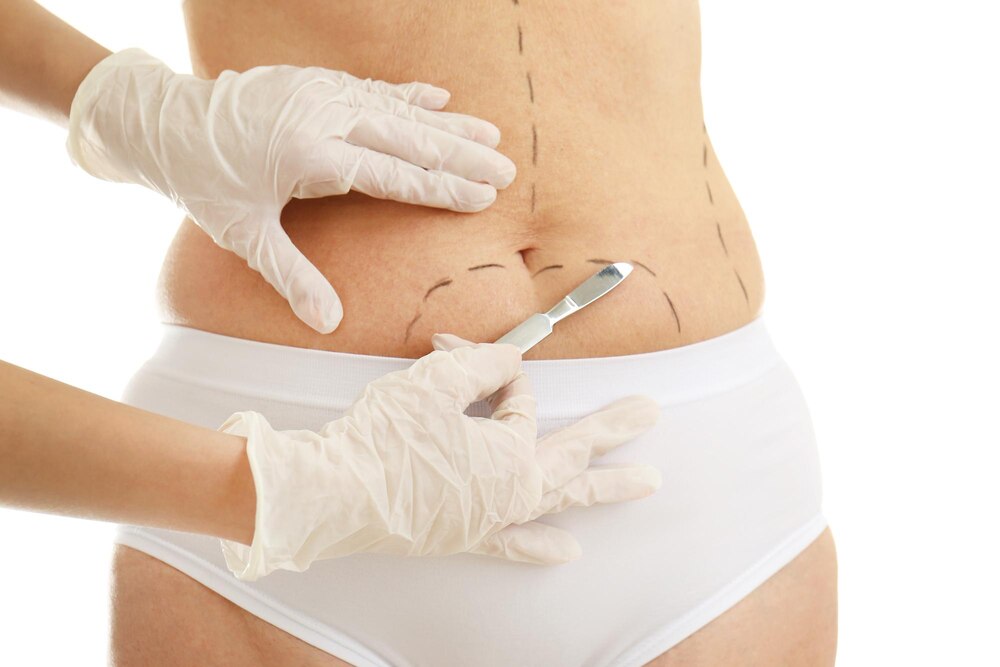
Panniculectomy and abdominoplasty (tummy tuck) both address excess abdominal skin, but they serve different purposes. A panniculectomy is considered a medical procedure that removes the hanging apron of skin (pannus) that can cause rashes, infections, and mobility issues. This procedure focuses solely on removing excess tissue without the cosmetic refinements of muscle tightening or belly button repositioning.
Abdominoplasty, conversely, is a cosmetic procedure that not only removes excess skin but also tightens separated abdominal muscles, repositions the navel, and contours the entire midsection for aesthetic improvement. Many patients who qualify for panniculectomy coverage choose to upgrade to abdominoplasty by paying the difference, combining medical necessity with cosmetic enhancement. Our surgical team can help you understand which option best suits your needs and insurance situation.
Full Body Lift Options
For patients with excess skin in multiple areas, a body lift provides comprehensive contouring in a single procedure. This surgery typically addresses the abdomen, hips, outer thighs, and buttocks through a circumferential incision around the lower torso. The result is a dramatic improvement in body shape and proportion that individual procedures cannot achieve.
While recovery from a full body lift is more extensive than single-area procedures, many patients prefer this approach to minimize total downtime and achieve harmonious results. The procedure can be customized to focus on specific problem areas while maintaining overall body balance. Candidates must be in excellent health and prepared for a recovery period of six to eight weeks.
Addressing ‘Ozempic Face’: Facial Rejuvenation After Weight Loss
Recent research has documented the phenomenon of facial volume loss following rapid weight reduction with GLP-1 medications. This “Ozempic face” effect results from fat loss in facial compartments that provide youthful fullness and support. Patients often notice hollow cheeks, deepened nasolabial folds, and sagging jowls that age their appearance despite overall weight loss success.
Facial rejuvenation options range from non-surgical treatments like dermal fillers to surgical procedures including facelifts and fat grafting. Many patients find that combining facial procedures with body contouring creates a balanced, harmonious transformation. The specific approach depends on the degree of volume loss, skin quality, and individual aging patterns.
Insurance Coverage for Post-Weight Loss Body Contouring
Understanding insurance coverage for body contouring procedures can significantly impact your surgical planning and financial preparation. While most cosmetic procedures aren’t covered, certain post-weight loss surgeries may qualify for insurance reimbursement when specific medical criteria are met. Navigating these requirements requires careful documentation and persistence.
The key to insurance approval lies in demonstrating medical necessity rather than cosmetic desire. This means documenting physical symptoms like chronic rashes, infections, back pain, or functional limitations caused by excess skin. Working with an experienced plastic surgery practice familiar with insurance requirements increases your chances of securing coverage.
98% of Insurers Cover Panniculectomy: Qualifying Criteria
A systematic review of 55 insurance companies found that 98% provide coverage for panniculectomy when patients meet specific criteria. These typically include maintaining stable weight for three to six months, documenting recurrent skin conditions unresponsive to medical treatment, and demonstrating that the pannus interferes with daily activities or hygiene.
Most insurers also require a minimum amount of tissue to be removed, often measured by the pannus extending to or below the pubic area. Photo documentation, medical records from your primary care physician, and sometimes a physical examination by the insurance company’s representative may be necessary. Starting this documentation process early, even during weight loss, strengthens your eventual coverage request.
ASPS Guidelines for Insurance Approval
The American Society of Plastic Surgeons has established recommended coverage criteria that many insurance companies reference. These guidelines specify that panniculectomy should be covered when the pannus causes chronic intertrigo, cellulitis, or skin ulcerations that persist despite appropriate medical therapy for at least three months. Additionally, the excess skin must significantly limit activities of daily living.
Understanding these guidelines helps you work with your medical team to build a strong case for coverage. At Kashaf Cosmetic Surgery, our staff assists patients in gathering necessary documentation and submitting comprehensive insurance requests. While approval isn’t guaranteed, proper preparation and persistence often lead to successful coverage determinations.
Comparing Weight Loss Methods: Impact on Body Contouring Results
The method by which you lost weight can influence both your body contouring options and surgical outcomes. Patients who lost weight through bariatric surgery may have different nutritional considerations than those using GLP-1 medications. Understanding these differences helps surgeons tailor their approach to your specific situation.
Recovery patterns and complication risks also vary based on your weight loss method. Bariatric surgery patients may need additional nutritional supplementation before and after body contouring, while GLP-1 users might require different medication management protocols. Your surgeon will consider your complete medical history when planning your procedure.
Semaglutide Weight Loss Statistics: 14.9% Average Reduction
Clinical data shows semaglutide users achieve an average weight loss of 14.9% of body weight after 68 weeks, with some maintaining 17.3% loss in extended studies. This substantial but gradual weight reduction often results in less severe skin laxity compared to rapid weight loss from bariatric surgery. However, individual results vary based on starting weight, age, and genetic factors.
Patients losing 30-50 pounds with semaglutide might need less extensive body contouring than those losing 100+ pounds through surgery. This could mean choosing a mini-tummy tuck instead of a full abdominoplasty, or addressing arms and thighs with less invasive techniques. Your plastic surgeon will assess your specific skin quality and laxity to recommend appropriate procedures.
Bariatric Surgery vs Medical Weight Loss: Complication Differences
Research comparing complications in body contouring patients shows differences based on weight loss method. Bariatric surgery patients may face higher risks of wound healing complications due to nutritional deficiencies, while medical weight loss patients typically have better preserved muscle mass and protein levels. These factors influence surgical planning and recovery protocols.
Understanding your risk profile helps set realistic expectations for recovery and results. Surgeons may recommend additional pre-operative testing, nutritional optimization, or modified surgical techniques based on your weight loss history. Open communication about your weight loss journey ensures your surgical team can provide the safest, most effective treatment.
Your Body Contouring Consultation: What to Expect
Your initial consultation sets the foundation for a successful body contouring journey. During this comprehensive evaluation, your surgeon will assess your physical condition, discuss your goals, and develop a personalized surgical plan. Coming prepared with questions and documentation maximizes the value of this important meeting.
Expect a thorough physical examination focusing on skin quality, tissue elasticity, and areas of concern. Your surgeon will take measurements, possibly photographs for planning purposes, and discuss realistic outcomes based on your unique anatomy. This is also when you’ll learn about specific procedures, recovery timelines, and financial options.
Documentation Requirements for Insurance
If pursuing insurance coverage, bring comprehensive documentation to your consultation. This includes records of your weight loss journey showing dates and amounts lost, documentation of any skin-related medical issues with photos and treatment records, and letters from your primary care physician describing functional limitations. Having a complete file expedites the insurance approval process.
Additional helpful documents include your complete medical history, current medication list, and any previous surgical records. If you’ve tried conservative treatments for skin-related issues, bring evidence of these attempts. The more thorough your documentation, the stronger your case for medical necessity.
Questions to Ask Your Plastic Surgeon
Prepare a list of questions to ensure you understand all aspects of your planned procedures. Important topics include the surgeon’s experience with post-weight loss patients, specific surgical techniques they recommend for your case, and realistic recovery timelines. Ask about potential complications, revision rates, and what results you can reasonably expect.
Don’t hesitate to inquire about financial options, payment plans, and what portions might be covered by insurance. Understanding the full scope of your investment – both financial and physical – helps you make an informed decision. At Kashaf Cosmetic Surgery, Dr. Sherafgan encourages thorough discussions to ensure every patient feels confident in their surgical plan.
Conclusion: Planning Your Post-Weight Loss Transformation
Body contouring after significant weight loss represents the final step in many patients’ transformation journeys. Whether you’ve lost weight through GLP-1 medications, bariatric surgery, or traditional methods, excess skin shouldn’t prevent you from enjoying your achievement. Modern plastic surgery offers safe, effective solutions to address skin laxity and help you achieve the body contours that match your weight loss success.
The key to successful body contouring lies in proper timing, realistic expectations, and choosing an experienced surgical team. With insurance coverage possible for certain procedures and various surgical options available, more patients than ever can access these life-changing treatments. If you’re ready to explore how body contouring can complete your weight loss transformation, we invite you to schedule a consultation with Dr. Kashaf Sherafgan at Kashaf Cosmetic Surgery. Our team specializes in helping post-weight loss patients achieve their aesthetic goals through personalized surgical planning and compassionate care.