The landscape of eyebrow enhancement has transformed dramatically, with permanent solutions now dominating what was once a temporary-fix market. In 2024, eyebrow transplants accounted for 12% of all hair restoration procedures performed on women – a striking 14% increase from just three years prior. This surge reflects a fundamental shift in how people approach facial aesthetics, moving away from daily makeup routines and semi-permanent treatments toward lasting surgical solutions.
For women aged 25 to 45, who represent 72% of eyebrow transplant patients, the appeal extends beyond convenience. The modern eyebrow transplant delivers natural results that grow, can be styled, and never need touch-ups – addressing the frustration of fading microblading and the daily commitment of penciling in sparse brows. As we enter 2025, understanding your options for permanent eyebrow enhancement becomes essential for making an informed decision about this increasingly popular procedure.
Types of Cosmetic Eyebrow Surgery and Permanent Enhancement Options
Cosmetic eyebrow surgery encompasses several distinct approaches, each designed to address specific concerns about brow appearance and density. The primary surgical option involves transplanting hair follicles from the scalp to the eyebrow area, creating permanent, natural-looking brows that grow like regular hair. This procedure stands apart from semi-permanent alternatives by offering a one-time solution that lasts a lifetime.
At Kashaf Cosmetic Surgery, Dr. Kashaf Sherafgan evaluates each patient’s unique facial structure and hair characteristics to recommend the most appropriate enhancement method. The choice between surgical transplantation and advanced semi-permanent techniques depends on factors including existing hair density, skin type, and lifestyle preferences.
Eyebrow Transplant Surgery Explained
Eyebrow transplant surgery utilizes either Follicular Unit Extraction (FUE) or Follicular Unit Transplantation (FUT) techniques to harvest hair follicles from the donor area, typically the back of the scalp. The FUE method, preferred for its minimal scarring, involves extracting individual follicular units using a specialized micro-punch tool. These grafts are then meticulously implanted into the eyebrow area at precise angles to match natural growth patterns.
Success rates for eyebrow transplants are remarkably high, with experienced surgeons achieving 85-92% graft survival rates. The procedure typically requires 200 to 400 grafts per eyebrow, depending on the desired fullness and existing hair. Each graft contains one to three hairs, allowing surgeons to create natural-looking density while maintaining the delicate appearance characteristic of eyebrow hair.
The demographic breakdown reveals why this procedure resonates particularly with women in their prime professional years. These patients often seek a polished appearance without the daily maintenance burden, making the investment in permanent enhancement increasingly attractive.
Nano Brows as a Surgical Alternative
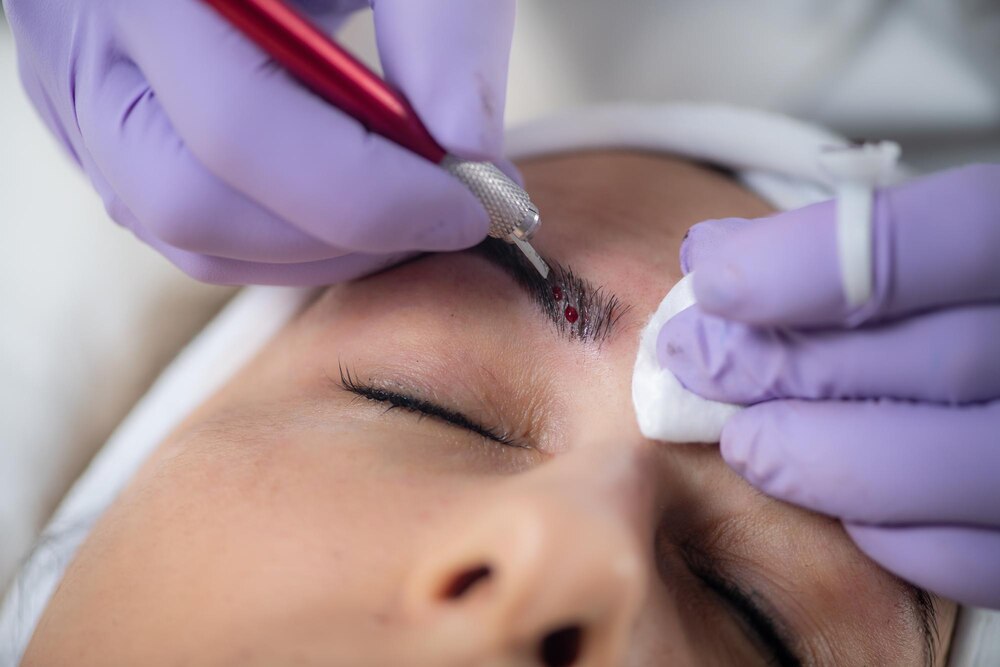
Nano brows represent the latest evolution in semi-permanent eyebrow enhancement, utilizing ultra-fine needles to deposit pigment with unprecedented precision. This technique creates individual hair strokes that mimic natural brow hairs more convincingly than traditional microblading. The nano needle, measuring just 0.18mm in diameter, allows technicians to achieve crisp, defined strokes that heal with minimal blur or spreading.
The longevity advantage of nano brows over microblading is substantial – lasting 18 to 24 months compared to microblading’s 12 to 18 months, with some cases extending up to 2.5 years. This extended duration results from the more controlled pigment placement and reduced trauma to the skin during application. The technique particularly benefits clients with oily or sensitive skin, where traditional microblading often fades prematurely.
Comparing Permanent vs Semi-Permanent Solutions
The decision between permanent surgical transplants and semi-permanent nano brows involves weighing multiple factors beyond just longevity. Eyebrow transplants require a single procedure with permanent results but involve a surgical recovery period of 7 to 10 days for initial healing and several months for full growth. Nano brows offer immediate visual results with minimal downtime but require periodic touch-ups every 18 to 24 months.
Cost considerations also differ significantly between options. While transplants require a larger upfront investment, the lifetime value often surpasses semi-permanent alternatives when factoring in decades of touch-up sessions. Maintenance requirements vary as well – transplanted eyebrows need regular trimming since they retain scalp hair growth characteristics, while nano brows gradually fade without any upkeep needed.
Eyebrow Transplant Cost Breakdown by Region and Procedure Type
Understanding the financial investment required for eyebrow transplant surgery helps patients budget appropriately and compare options across different markets. Pricing varies dramatically based on geographic location, surgeon expertise, and the complexity of each case. The number of grafts needed, which typically ranges from 200 to 800 total, directly impacts the final cost.
USA Eyebrow Transplant Costs ($3,000-$10,000)
In the United States, eyebrow transplant procedures command premium prices reflecting the high standards of medical care and overhead costs. Major metropolitan areas like New York and Los Angeles typically charge $6,000 to $10,000 for comprehensive treatment. These prices usually include the initial consultation, the surgical procedure, and follow-up appointments for the first year.
Factors pushing costs toward the higher end include board-certified surgeons with specialized training in facial hair restoration, advanced FUE technology, and premium clinic locations. Many practices offer financing options through medical credit companies, allowing patients to spread payments over 12 to 60 months. Insurance rarely covers cosmetic eyebrow transplants unless they address medical conditions like alopecia or trauma-related hair loss.
International Options Including Turkey ($1,500-$3,750)
Medical tourism for eyebrow transplants has grown substantially, with Turkey emerging as the leading destination. Turkish clinics offer procedures ranging from $1,500 to $3,750, often including accommodation, airport transfers, and translator services. This represents savings of 50-70% compared to U.S. prices while maintaining quality standards at accredited facilities.
The lower costs reflect reduced operational expenses rather than compromised quality, as many Turkish surgeons trained in Europe or the United States. However, patients must factor in travel expenses, time away from work, and the challenges of follow-up care from abroad. Language barriers and different medical practices can also complicate the experience, making thorough research essential before committing to treatment overseas.
Cost Factors and What Determines Final Price
The primary cost driver for eyebrow transplants is the number of grafts required, with surgeons typically charging per graft or offering package pricing for standard cases. Patients with minimal existing eyebrow hair need more grafts, increasing both procedure time and cost. The harvesting technique also affects pricing – FUE procedures cost more than FUT due to the specialized equipment and increased time requirement.
Additional services impacting the final price include pre-operative blood tests, anesthesia type, and post-operative medications. Some clinics bundle these services while others charge separately. Geographic location significantly influences pricing through differences in rent, staff wages, and regulatory requirements. Surgeon reputation and experience create price premiums, though often correlate with superior results and lower revision rates.
Success Rates and Managing Patient Expectations
Realistic expectations form the foundation of patient satisfaction with eyebrow transplant results. While the procedure offers permanent enhancement, understanding the variables affecting outcomes helps patients make informed decisions and prepare for the recovery journey.
Understanding the 85-92% Graft Survival Rate
The reported 85-92% graft survival rate represents the percentage of transplanted follicles that successfully establish blood supply and begin producing hair. This means if 300 grafts are transplanted, approximately 255 to 276 will thrive long-term. The surviving grafts produce permanent hair that grows continuously, requiring regular trimming to maintain the desired eyebrow length.
Several factors influence graft survival including the surgeon’s technique, post-operative care compliance, and individual healing characteristics. Proper graft handling during extraction and implantation prevents damage to the delicate follicles. Patient factors like smoking, certain medications, and underlying health conditions can reduce survival rates, making honest medical history disclosure crucial during consultation.
Common Complications: Sparse Results and Uneven Density
A recent study analyzing 100 dissatisfied eyebrow transplant patients revealed that 36% experienced sparse results while 41% dealt with inhomogeneous density or disordered growth direction. These complications often stem from inadequate graft numbers, poor placement technique, or unrealistic initial expectations about achievable density.
Sparse results typically occur when surgeons underestimate the grafts needed or when survival rates fall below expected ranges. Uneven density problems arise from inconsistent graft spacing or failure to account for natural eyebrow tapering from inner to outer edges. Growth direction issues, where transplanted hairs grow at incorrect angles, require meticulous surgical technique to prevent and can be challenging to correct once healed.
Choosing the Right Surgeon for Optimal Results
Selecting a qualified surgeon significantly impacts transplant success and satisfaction. Board certification in dermatology or plastic surgery provides baseline competency, but specific training in hair restoration offers additional expertise. Surgeons should present extensive before-and-after portfolios demonstrating consistent, natural-looking eyebrow results across various patient types.
Key questions during consultation include the surgeon’s annual eyebrow transplant volume, their approach to graft placement angles, and revision policies if results disappoint. Red flags include promises of unrealistic density, pressure for same-day procedures, and reluctance to provide patient references. At Kashaf Cosmetic Surgery, Dr. Kashaf Sherafgan emphasizes thorough consultation and realistic outcome discussions before proceeding with any transplant procedure.
2025 Eyebrow Trends Driving Surgical Demand
Current beauty trends significantly influence the demand for eyebrow enhancement procedures, with 2025 continuing the movement toward fuller, more natural-looking brows. This aesthetic shift makes eyebrow transplants increasingly relevant as they deliver the authentic fullness that defines contemporary beauty standards.
The Natural, Fluffy Brow Movement
The fluffy brow trend emphasizes volume and natural texture over perfectly groomed, thin arches. This style requires substantial hair density that many people cannot achieve naturally, particularly those who over-plucked during the thin-brow era of the early 2000s. Eyebrow transplants excel at creating this coveted fullness by adding real hair that can be brushed upward and styled with brow gels.
The trend’s staying power stems from its universally flattering nature and low-maintenance appeal once the desired density exists. Unlike precisely drawn brows that require daily application, fluffy brows celebrate natural variation and movement. This aligns perfectly with transplanted eyebrows, which grow and behave like natural hair, allowing patients to achieve trending looks without daily effort.
Celebrity Influence on Eyebrow Transplant Popularity
Celebrity adoptions of eyebrow transplants have normalized the procedure and sparked mainstream interest. When public figures openly discuss their transplant experiences, it reduces stigma and encourages others to explore permanent solutions. Social media amplifies this effect, with before-and-after transformations garnering millions of views and inspiring viewers to seek similar results.
The influence extends beyond mere awareness to shaping specific aesthetic preferences. Patients increasingly request celebrity-inspired brow shapes during consultations, bringing photos of their favorite looks. This trend has pushed surgeons to refine their techniques for creating diverse styles, from bold and straight to softly arched, ensuring each patient achieves their ideal aesthetic.
The Eyebrow Transplant Process: What to Expect
Understanding each phase of the eyebrow transplant journey helps patients prepare mentally and logistically for the procedure. From initial consultation through final results, the process spans several months, requiring patience and proper care for optimal outcomes.
Initial Consultation and Design Planning
The consultation begins with a thorough assessment of existing eyebrow hair, facial structure, and aesthetic goals. Surgeons evaluate donor hair characteristics including texture, curl pattern, and growth rate to ensure compatibility with eyebrow requirements. Digital imaging often helps visualize potential results and refine the desired shape before surgery.
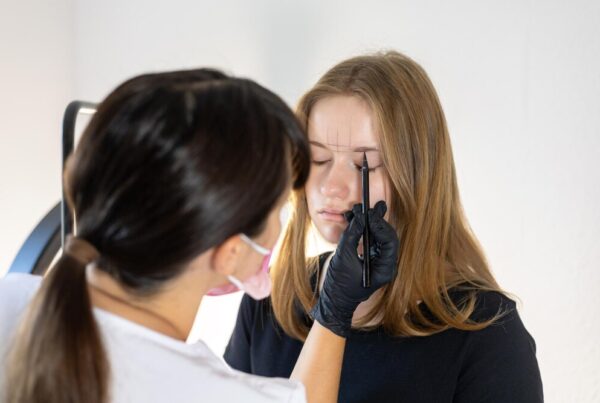
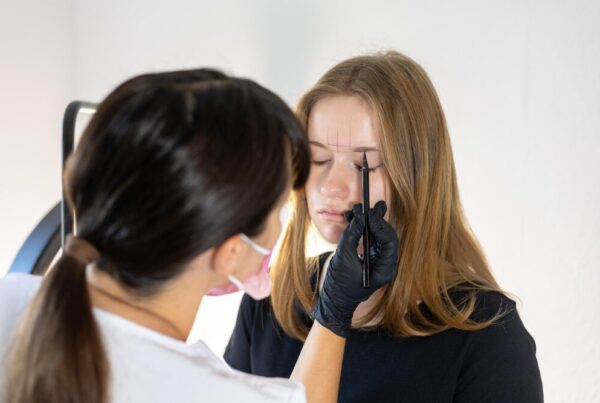
Design planning involves mapping the new eyebrow shape directly on the patient’s face, considering natural bone structure and muscle movement. The surgeon marks the optimal brow position using facial landmarks and golden ratio principles while incorporating patient preferences. This collaborative process ensures both parties agree on the expected outcome before proceeding with surgery.
Surgery Day: Procedure Timeline and Experience
Eyebrow transplant surgery typically takes three to five hours, depending on the number of grafts needed. The procedure begins with local anesthesia administration to both the donor and recipient areas, ensuring patient comfort throughout. Patients remain awake and can listen to music or podcasts during the procedure, with breaks available as needed.
The extraction phase involves harvesting individual follicular units from the donor area, usually taking one to two hours. The implantation phase requires meticulous attention as the surgeon creates tiny recipient sites and places each graft at the correct angle and direction. Immediately post-procedure, the eyebrows appear darker and fuller than the final result due to the presence of transplanted hairs and minor swelling.
Recovery Timeline and Aftercare Requirements
The first week post-surgery involves gentle care to protect the delicate grafts. Tiny scabs form around each transplant site, typically falling off within 7 to 10 days. Patients must avoid touching, rubbing, or wetting the area for the first 48 hours, then follow specific washing instructions to keep the area clean without dislodging grafts.
Transplanted hairs typically shed between weeks two and six – a normal process called shock loss that temporarily reduces fullness. New growth begins around month three, with significant visible improvement by month six. Final results manifest between months 10 and 12, when all transplanted follicles have cycled through their growth phases and achieved full density.
Making the Right Choice: Is Eyebrow Surgery Right for You?
Determining candidacy for eyebrow transplant surgery requires honest assessment of your goals, lifestyle, and medical suitability. While the procedure offers permanent results for many, certain factors may indicate alternative treatments would better serve your needs.
Ideal Candidates for Eyebrow Transplant
The best candidates for eyebrow transplants have adequate donor hair density on the scalp and realistic expectations about achievable results. Those with complete eyebrow loss from conditions like alopecia, trichotillomania, or scarring benefit significantly from transplantation. Patients who have over-plucked for years and cannot regrow hair naturally also see excellent results.
Lifestyle factors supporting candidacy include the ability to take a week off for initial recovery and commitment to following aftercare instructions. Patience for the gradual result emergence over 10 to 12 months is essential. Good general health without conditions affecting wound healing or hair growth improves success likelihood. Non-smokers or those willing to quit before surgery experience better graft survival rates.
When to Consider Alternative Treatments
Alternative treatments may better suit patients with temporary hair loss conditions that could resolve naturally. Those with unrealistic density expectations or wanting dramatically different brow positions than their natural anatomy supports should explore non-surgical options first. Patients unable to commit to the recovery period or with inadequate donor hair might find nano brows or other semi-permanent solutions more appropriate.
Medical conditions affecting healing, autoimmune disorders targeting hair follicles, or active skin conditions in the eyebrow area may contraindicate surgery. Young patients whose facial features are still developing should wait until their mid-twenties before considering permanent alteration. Those seeking temporary style changes or uncertain about their long-term aesthetic preferences benefit from trying semi-permanent options before committing to transplantation.
Conclusion: Taking the Next Step
Eyebrow transplant surgery represents a significant advancement in permanent facial enhancement, offering natural, lasting results for those seeking to restore or enhance their brows. With success rates reaching 92% in experienced hands and a growing understanding of optimal techniques, the procedure has evolved into a reliable solution for eyebrow concerns. The key to satisfaction lies in choosing qualified surgeons, maintaining realistic expectations, and understanding both the investment and recovery process involved.
As you consider your options for eyebrow enhancement, remember that the best choice depends on your individual circumstances, aesthetic goals, and lifestyle factors. Whether you’re drawn to the permanence of transplantation or the flexibility of nano brows, consulting with experienced professionals ensures you make an informed decision. If you’re ready to explore how eyebrow transplant surgery could transform your appearance, Dr. Kashaf Sherafgan and the team at Kashaf Cosmetic Surgery invite you to schedule a consultation to discuss your unique needs and develop a personalized treatment plan that aligns with your vision for enhanced, natural-looking eyebrows.