For many women after pregnancy and individuals who’ve experienced significant weight changes, the struggle with separated abdominal muscles goes beyond cosmetic concerns. The frustration of core weakness, back pain, and that persistent abdominal bulge despite exercise can significantly impact daily life. Muscle repair surgery, particularly for diastasis recti correction, offers a proven solution that addresses both the functional and aesthetic aspects of abdominal muscle separation.
At Kashaf Cosmetic Surgery, Dr. Kashaf Sherafgan specializes in comprehensive muscle repair procedures that restore core strength while creating a flatter, more toned midsection. This guide explores everything you need to know about muscle repair surgery, from understanding the condition to evaluating whether you’re a candidate for this transformative procedure.
What Is Muscle Repair Surgery and Who Needs It?
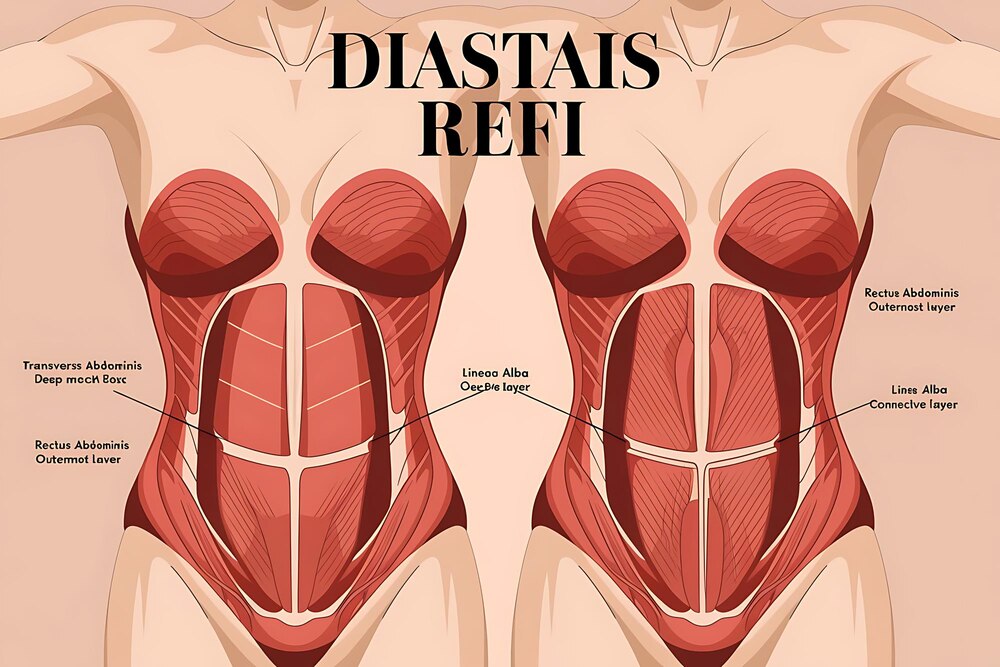
Muscle repair surgery is a surgical procedure designed to correct the separation of abdominal muscles, known medically as diastasis recti. This condition occurs when the rectus abdominis muscles – commonly called the “six-pack” muscles – separate along the midline of the abdomen, creating a gap that weakens the core and causes the belly to protrude.
The surgical repair involves permanently suturing these separated muscles back together, essentially reconstructing the abdominal wall’s integrity. While often performed as part of a comprehensive tummy tuck procedure, muscle repair addresses a genuine medical concern that affects core function, posture, and overall quality of life.
Understanding Diastasis Recti and Abdominal Muscle Separation
The rectus abdominis muscles run vertically down the front of your abdomen, connected by a band of tissue called the linea alba. During pregnancy or periods of significant abdominal expansion, this connective tissue stretches and thins, sometimes failing to return to its original state. Research shows that 30-100% of women experience diastasis recti during late pregnancy, with 32.6% still affected at 12 months postpartum.
The separation typically measures between 2-5 centimeters, though severe cases can exceed 10 centimeters. This gap compromises the abdominal wall’s structural integrity, leading to symptoms beyond the visible bulge. Patients often report feeling like their core is “hollow” or unable to properly support their spine during daily activities.
Common Causes: Pregnancy, Weight Changes, and Core Strain
While pregnancy remains the most common cause of diastasis recti, multiple factors can contribute to muscle separation. Studies indicate a 22-36% long-term prevalence of diastasis recti at 3-30 years after delivery, highlighting the persistent nature of this condition without intervention.
Beyond pregnancy, significant weight fluctuations create similar stress on the abdominal wall. Individuals who’ve lost substantial weight often find their muscles remain separated despite achieving their goal weight. Athletes, particularly weightlifters and those engaging in intense core exercises with improper form, can also develop diastasis recti from repetitive intra-abdominal pressure.
Risk factors include multiple pregnancies, carrying multiples, advanced maternal age, and genetic predisposition to weaker connective tissue. Men aren’t immune either – obesity, chronic cough conditions, and certain exercises can cause muscle separation in male patients as well.
The Difference Between Muscle Repair and Standard Tummy Tuck
Understanding the distinction between muscle repair and a standard tummy tuck helps patients make informed decisions about their treatment options. While both procedures can transform the abdominal appearance, they serve different primary purposes and address distinct concerns.
A standard tummy tuck focuses on removing excess skin and fat, ideal for patients with good muscle tone but loose skin from weight loss or aging. Muscle repair, however, reconstructs the abdominal wall structure itself, addressing the functional deficits caused by muscle separation while also improving appearance.
Muscle Repair as Part of Comprehensive Abdominoplasty
Most surgeons today combine muscle repair with abdominoplasty when treating diastasis recti, creating a comprehensive solution. The surgical technique involves placing permanent sutures along the separated muscles, drawing them back together in a technique called plication. This creates a internal corset effect that flattens the abdomen while restoring core strength.
Board-certified plastic surgeons emphasize this combined approach for optimal results. The procedure begins with the same incision used for a tummy tuck, allowing access to both repair the muscles and address excess skin simultaneously. Since both procedures share similar surgical steps, most patients choose the aesthetic benefits of a full tummy tuck over standalone muscle repair.
Standalone Muscle Repair vs Combined Procedures
While standalone muscle repair is possible, it’s relatively uncommon. Patients seeking purely functional improvement might opt for this approach, particularly if they have minimal excess skin. However, the recovery time and surgical risks are nearly identical to a full abdominoplasty, making the combined procedure more cost-effective and comprehensive.
Some patients explore endoscopic muscle repair, a minimally invasive option that uses small incisions and camera guidance. Recent data shows a 2% pooled recurrence rate for minimally invasive endoscopic repair with median 16-month follow-up, demonstrating its effectiveness for appropriate candidates.
Functional Benefits Beyond Cosmetic Improvement
The medical benefits of muscle repair surgery extend far beyond achieving a flatter stomach. Restoring abdominal wall integrity impacts overall body mechanics, potentially qualifying the procedure for insurance coverage in cases of severe functional impairment.
Patients consistently report improvements in their ability to perform daily activities, from lifting children to exercising effectively. The restored core function enhances overall body stability and reduces compensatory strain on other muscle groups.
Core Strength and Stability Restoration
The impact on core stability following muscle repair is substantial and measurable. Clinical studies show that 83.9% of patients reported their abdominal wall stability as ‘quite better’ or ‘much better’ at 1 year post-surgery. This improvement translates to better performance in physical activities and reduced risk of injury during exercise.
Restored core strength also improves breathing mechanics. The repaired muscles better support the diaphragm, leading to more efficient breathing patterns during both rest and activity. Many patients note they can finally engage their core properly during workouts, something impossible with separated muscles.
Back Pain Reduction and Posture Improvement
The connection between diastasis recti and back pain is well-documented. Without proper abdominal support, the back muscles overcompensate, leading to chronic pain and postural problems. Research demonstrates significant improvements in Oswestry Disability Index scores at one year post-repair, indicating reduced back-related disability.
Patients frequently report standing taller and experiencing less fatigue throughout the day. The restored abdominal wall acts as intended – a natural support system for the spine that maintains proper alignment and reduces strain on the lower back.
The 2025 Surge in Muscle Repair Procedures
The demand for muscle repair surgery has accelerated significantly in 2025, driven by increased awareness and the growing emphasis on functional wellness alongside aesthetic improvement. Social media transparency about postpartum bodies and the limitations of exercise alone have contributed to this trend.
At Kashaf Cosmetic Surgery, Dr. Sherafgan has observed a notable increase in consultations specifically addressing muscle separation concerns, with patients increasingly informed about the condition and seeking comprehensive solutions.
Rising Google Search Trends for Core Muscle Repair
Search data reveals a steady rise in queries for “tummy tuck for stretched or damaged abdominal muscles” and related terms throughout 2024 and into 2025. This trend reflects growing recognition that certain abdominal concerns require surgical intervention rather than endless core exercises that may actually worsen diastasis recti.
The shift in search behavior also indicates patients are researching functional aspects of surgery, not just cosmetic outcomes. Terms like “diastasis recti repair recovery” and “muscle repair surgery benefits” show informed consumers seeking comprehensive treatment information.
Integration with Mommy Makeover and Body Contouring Trends
Muscle repair has become a cornerstone component of mommy makeover procedures in 2025. Women increasingly view core restoration as essential to their post-pregnancy recovery, not an optional cosmetic enhancement. This integration acknowledges the physical demands of motherhood require functional strength, not just aesthetic improvement.
The post-weight loss community has similarly embraced muscle repair as part of comprehensive body contouring. After significant weight loss, many discover that exercise alone cannot address the muscle separation that occurred during their heavier years, leading them to seek surgical solutions for complete transformation.
Surgical Techniques and Recovery Expectations
Modern muscle repair techniques have evolved to optimize both outcomes and recovery. Understanding the surgical approach and realistic recovery timeline helps patients prepare mentally and physically for their transformation journey.
The procedure typically takes 2-4 hours when combined with a full tummy tuck, performed under general anesthesia. Surgeons use advanced suturing techniques that create multiple layers of repair, ensuring long-lasting results with minimal risk of recurrence.
Minimally Invasive vs Traditional Repair Methods
Traditional open repair remains the gold standard for most patients, particularly those with significant separation or excess skin. This approach provides complete visualization of the muscle separation and allows for comprehensive repair along the entire length of the abdomen. The technique also enables simultaneous skin removal and contouring for optimal aesthetic results.
Minimally invasive endoscopic repair offers an alternative for select patients with good skin elasticity and isolated muscle separation. Using small incisions and specialized instruments, surgeons can repair the muscles without extensive skin removal. This option typically results in shorter recovery times and less visible scarring.
Recovery Timeline and Return to Activities
The initial recovery period spans 2-4 weeks, during which patients wear compression garments and limit physical activity. Most individuals return to desk work within 10-14 days, though positions requiring physical labor need 4-6 weeks before resuming full duties.
Light walking begins immediately post-surgery to promote circulation, with gradual activity increases over the following weeks. Core exercises typically resume at 8-12 weeks post-surgery, once the muscle repair has adequately healed. Full functional improvements continue developing over 6-12 months as patients rebuild strength in their newly repaired core.
Pain management has improved significantly with enhanced recovery protocols. Most patients manage discomfort with prescribed medications for the first week, transitioning to over-the-counter options thereafter. The investment in recovery pays dividends in long-term functional improvement and quality of life.
Are You a Candidate for Muscle Repair Surgery?
Determining candidacy for muscle repair involves both physical assessment and realistic goal-setting. Ideal candidates have completed childbearing, maintain stable weight, and understand both the functional and aesthetic benefits of the procedure.
Dr. Sherafgan at Kashaf Cosmetic Surgery evaluates each patient’s unique anatomy and goals to create personalized treatment plans. The consultation process includes detailed discussion of medical history, physical examination, and exploration of how muscle repair fits into overall body contouring objectives.
Assessment Criteria and Physical Examination
Physical examination reveals the extent of muscle separation through specific tests. The surgeon measures the gap width at multiple points along the abdomen, typically checking above, at, and below the navel. Separation exceeding 2.5 centimeters generally indicates surgical repair would provide significant benefit.
Functional assessment examines how the separation impacts daily activities. Patients demonstrating inability to engage core muscles, chronic back pain, or digestive issues related to poor abdominal support often benefit most from repair. The evaluation also considers skin quality, overall health status, and realistic outcome expectations.
Combining Muscle Repair with Other Procedures
Many patients maximize their surgical investment by combining muscle repair with complementary procedures. Liposuction addresses stubborn fat deposits that muscle repair alone won’t eliminate, creating more defined contours. This combination is particularly effective for patients with good skin elasticity but localized fat accumulation.
Within comprehensive mommy makeovers, muscle repair pairs naturally with breast procedures. Addressing multiple concerns in one surgical session reduces overall recovery time and creates balanced, proportionate results. The synergy between procedures often produces more dramatic transformation than addressing each concern separately.
Conclusion: Making an Informed Decision About Muscle Repair
Muscle repair surgery represents a significant advancement in addressing both functional and aesthetic concerns of abdominal muscle separation. The procedure offers validated benefits including restored core strength, reduced back pain, and improved quality of life alongside the visible improvement of a flatter, more toned midsection. With success rates exceeding 80% for functional improvement and minimal recurrence rates, muscle repair provides a reliable solution for appropriate candidates.
If you’re struggling with the effects of diastasis recti or abdominal muscle separation, consultation with an experienced surgeon can clarify your options and expected outcomes. At Kashaf Cosmetic Surgery, Dr. Kashaf Sherafgan combines advanced surgical techniques with personalized care to help patients achieve both functional restoration and aesthetic enhancement. Contact our clinic today to schedule your consultation and take the first step toward reclaiming your core strength and confidence.