
Last updated: January 22, 2026
Upper blepharoplasty has emerged as one of the most sought-after cosmetic procedures in 2026, driven by a cultural shift toward facial optimization rather than strictly anti-aging solutions. Whether you’re considering this procedure for aesthetic enhancement or functional improvement, understanding what modern eyelid surgery entails can help you make an informed decision about your care.
What Is Upper Blepharoplasty and How Does It Correct Hooded Eyes?
Upper blepharoplasty is a surgical procedure that removes excess skin, muscle, and occasionally fat from the upper eyelids to correct hooded eyes and create a more open, refreshed appearance. The surgery addresses the characteristic fold of skin that droops over the eyelid crease, which can obscure the natural eyelid platform and make eyes appear tired or aged. Board-certified surgeons like Dr. Kashaf Sherafgan perform this procedure by making precise incisions within the natural eyelid crease, ensuring minimal visible scarring.
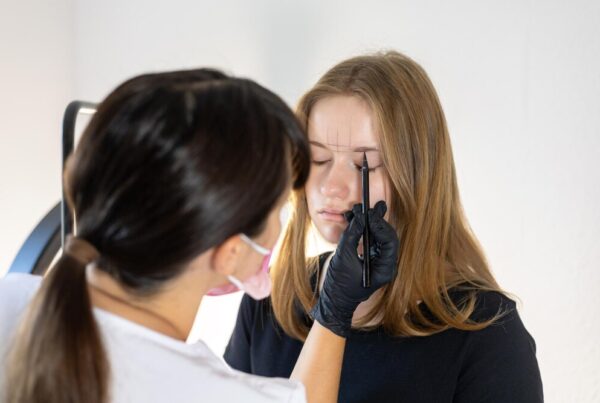
The procedure works by surgically excising redundant tissue that contributes to the hooded appearance. During surgery, the surgeon carefully measures and marks the amount of skin to be removed, preserving enough tissue to maintain natural eyelid function and aesthetics. The result is a more defined eyelid crease and improved upper visual field for patients whose hooding affects their peripheral vision.
What Causes Hooded Eyelids in the First Place?
Hooded eyelids develop from a combination of genetic predisposition, age-related changes, and individual anatomical variations. Some patients inherit a naturally low brow position or excess upper eyelid skin from family members, making hooding apparent even in their twenties or thirties. For others, the gradual loss of skin elasticity and collagen that occurs with aging causes previously normal eyelids to become progressively hooded over time.
Additional contributing factors include sun damage, which accelerates skin laxity, and the natural weakening of the levator muscle that lifts the eyelid. Lifestyle factors such as smoking can also hasten the development of hooded eyelids by degrading collagen and elastin fibers in the delicate periorbital skin.
How Is Upper Blepharoplasty Different from Other Eyelid Procedures?
Understanding the distinctions between various eyelid and brow procedures helps patients select the most appropriate treatment for their concerns.
| Procedure | Primary Target Area | Best For |
|---|---|---|
| Upper Blepharoplasty | Upper eyelid skin and fat | Hooded eyelids, excess upper lid skin |
| Lower Blepharoplasty | Under-eye bags and skin | Puffiness, dark circles, lower lid laxity |
| Brow Lift | Forehead and brow position | Drooping brows, forehead wrinkles |
| Non-surgical treatments | Skin surface | Mild laxity, maintenance |
While upper blepharoplasty specifically addresses eyelid tissue, a brow lift elevates the entire brow complex. Some patients benefit from combining both procedures when significant brow descent contributes to their hooded appearance.
Why Is Upper Blepharoplasty Trending in 2026?
Upper blepharoplasty has gained significant popularity in 2026 as aesthetic medicine shifts from anti-aging correction toward facial optimization surgery. This evolution reflects patients seeking subtle enhancements that improve their natural features rather than dramatic transformations that alter their fundamental appearance. The procedure appeals to a broader demographic now, including younger patients who want to address genetic hooding and mature patients seeking refreshed, natural-looking results.
The 2026 aesthetic emphasizes authenticity and individual beauty rather than conforming to a single standard. Surgeons now focus on preserving ethnic characteristics and personal identity while addressing specific concerns. This philosophy has made blepharoplasty more accessible to patients who previously worried about looking “overdone” or losing their distinctive features.
How Has the Definition of Facial Optimization Changed Patient Expectations?
Today’s patients arrive at consultations remarkably well-informed, having researched procedures extensively before scheduling appointments. Rather than requesting dramatic changes, they typically seek subtle improvements that enhance their existing features while maintaining a natural appearance. This shift means surgeons must balance technical expertise with artistic restraint, removing enough tissue to create meaningful improvement without over-correcting.
The facial optimization approach also emphasizes personalized treatment planning. Instead of applying standardized techniques to every patient, surgeons like Dr. Kashaf Sherafgan assess individual anatomy, aesthetic goals, and facial harmony to create customized surgical plans.
Which Celebrities Have Openly Discussed Hooded Eye Correction?
Public figures including Al Pacino, Taylor Swift, and Catherine Zeta-Jones have been reported to have undergone hooded eye correction, helping normalize the conversation around blepharoplasty. This increased visibility has reduced stigma surrounding cosmetic eyelid surgery, encouraging patients to discuss their aesthetic goals more openly with family members and surgeons.
Celebrity transparency about cosmetic procedures has contributed to more realistic patient expectations. Seeing natural-looking results on public figures helps patients understand what modern blepharoplasty can achieve without dramatic or artificial outcomes.
Who Is an Ideal Candidate for Upper Blepharoplasty?
Ideal candidates for upper blepharoplasty are adults in good general health who have realistic expectations about surgical outcomes and specific concerns about excess upper eyelid skin or hooding. Candidates should be non-smokers or willing to quit smoking for several weeks before and after surgery, as tobacco use significantly impairs healing. Good candidates also demonstrate emotional stability and seek surgery for personal reasons rather than external pressure.
During consultation at Kashaf Cosmetic Surgery, patients undergo comprehensive evaluation including assessment of eyelid anatomy, skin quality, brow position, and tear film function. This evaluation helps determine whether blepharoplasty alone will achieve the desired result or whether additional procedures might be beneficial.
Can Younger Patients Benefit from Eyelid Surgery?
While blepharoplasty is traditionally associated with patients over 40, younger adults with congenital hooded eyelids can benefit significantly from surgical correction. Patients in their twenties and thirties who have inherited heavy upper eyelid skin often struggle with makeup application and may feel their eyes appear perpetually tired despite adequate sleep.
For younger patients, surgeons take a conservative approach, removing only the tissue necessary to improve the hooded appearance while preserving adequate skin for natural eyelid function and future aging. This measured technique ensures long-lasting results without creating an operated or startled appearance.
What Medical Conditions Might Disqualify Someone from Surgery?
Certain medical conditions require careful evaluation or may preclude blepharoplasty surgery:
- Severe dry eye syndrome or inadequate tear production
- Uncontrolled thyroid disorders, particularly Graves’ disease
- Bleeding disorders or current anticoagulant therapy
- Active eye infections or inflammation
- Unrealistic expectations about surgical outcomes
- Significant cardiovascular conditions affecting anesthesia safety
Patients with these conditions may still be candidates after appropriate medical management and clearance from relevant specialists.
What Happens During the Upper Blepharoplasty Procedure?
Upper blepharoplasty is typically performed as an outpatient procedure, with patients arriving at the surgical facility and returning home the same day. The surgeon begins by precisely marking the planned incision lines with the patient sitting upright to account for natural skin positioning. After administering anesthesia, the surgeon makes incisions along the predetermined markings, removes excess tissue, and closes the incisions with fine sutures designed to minimize scarring.
The surgical technique involves meticulous attention to symmetry, as even small differences between the two eyes become noticeable in the prominent periorbital area. Surgeons use magnification and specialized instruments to ensure precise tissue removal and careful hemostasis throughout the procedure.
Is Upper Blepharoplasty Performed Under Local or General Anesthesia?
Most upper blepharoplasty procedures are performed under local anesthesia with oral or intravenous sedation, allowing patients to remain comfortable while avoiding general anesthesia risks. Local anesthesia involves injecting numbing medication directly into the eyelid tissue, completely eliminating pain sensation while the patient remains awake but relaxed.
General anesthesia may be recommended when blepharoplasty is combined with other facial procedures or for patients with significant anxiety about surgery. Dr. Kashaf Sherafgan discusses anesthesia options during consultation, considering each patient’s medical history, procedure complexity, and personal preferences.
How Long Does the Surgery Take from Start to Finish?
Upper blepharoplasty typically requires 45 minutes to one hour for both eyes, though the total facility time extends longer to accommodate preparation and recovery. Patients should plan to spend approximately two to three hours at the surgical center, including pre-operative preparation, the procedure itself, and post-operative monitoring before discharge.
Where Are the Incisions Made and Will There Be Visible Scarring?
Incisions for upper blepharoplasty are strategically placed within the natural eyelid crease, where they become virtually invisible once healed. When the eyes are open, the incision line hides within the fold of skin that naturally forms when the eyelid opens. Even with eyes closed, mature scars typically appear as a faint line that blends with the natural eyelid contour.
Proper incision placement and meticulous closure technique contribute significantly to scar quality. Following post-operative care instructions, including sun protection and scar massage when recommended, further optimizes healing.
How Long Does Recovery Take After Upper Blepharoplasty?
Full recovery from upper blepharoplasty typically spans two to three weeks for most social and professional activities, with complete healing and final results emerging over three to six months. The initial recovery period involves managing swelling, bruising, and temporary visual changes while protecting the healing incisions. Most patients find the recovery less demanding than anticipated, with manageable discomfort controlled by prescribed medications.
For a detailed breakdown of the healing process, the hooded eyes surgery recovery timeline provides comprehensive week-by-week expectations to help patients prepare for their post-operative journey.
What Should Patients Expect During the First Week of Recovery?
The first week following blepharoplasty involves the most noticeable swelling and bruising, typically peaking around days two through four before gradually improving. Patients experience tightness in the eyelid area, temporary blurred vision from ointment application, and increased light sensitivity. Cold compresses, head elevation, and prescribed medications help manage these expected effects.
Activity restrictions during the first week include avoiding bending, lifting, and strenuous exercise. Patients should not wear contact lenses and must protect their eyes from irritants including dust, wind, and direct sunlight.
When Can Patients Return to Work and Normal Activities?
Most patients return to desk work within seven to ten days, though some residual bruising may persist and can be concealed with makeup after suture removal. Those with physically demanding jobs or public-facing roles may prefer waiting two weeks to allow further healing. Exercise restrictions typically lift gradually, with light walking permitted within days and more vigorous activity resuming after three to four weeks.
Why Is Winter an Ideal Time to Schedule Blepharoplasty?
Winter months, including January, offer several practical advantages for blepharoplasty recovery. The reduced sunlight exposure during winter minimizes risks associated with UV damage to healing incisions, and patients can comfortably wear sunglasses indoors without drawing attention. Additionally, scheduling surgery in winter allows complete healing before spring and summer social events, vacations, and outdoor activities.
The slower social calendar during winter months also provides natural opportunities for rest and recovery without missing significant events. Patients planning procedures now at Kashaf Cosmetic Surgery can enjoy their refreshed appearance well before warm weather arrives.
What Results Can Patients Realistically Expect?
Modern upper blepharoplasty delivers natural-looking results that enhance the eyes without creating an artificial or surprised appearance. Patients can expect a more defined eyelid crease, reduced heaviness in the upper lid area, and improved symmetry between both eyes. The goal is refreshed, rested-looking eyes that still appear authentically like the patient – just a more vibrant version.
Results become progressively more apparent as swelling resolves, with most patients seeing significant improvement within three weeks and final results stabilizing by six months post-operatively.
How Do 2026 Blepharoplasty Results Differ from Previous Decades?
Contemporary blepharoplasty emphasizes preservation and natural enhancement over aggressive tissue removal. Previous decades sometimes saw over-resection that created hollow, aged-looking upper eyelids. Today’s approach recognizes that some fullness in the upper lid contributes to a youthful appearance, leading surgeons to be more conservative with fat removal while still addressing excess skin.
The 2026 integrated care model also improves outcomes by combining surgical correction with supportive med-spa treatments during recovery, optimizing healing and long-term results.
How Long Do Upper Blepharoplasty Results Last?
Upper blepharoplasty results typically last seven to fifteen years, though they do not stop the aging process entirely. The skin and tissue removed during surgery will not regenerate, providing permanent improvement in that regard. However, the remaining tissue continues to age naturally, meaning some patients may eventually develop mild recurrent hooding decades after their initial procedure.
Factors affecting longevity include genetics, sun exposure, skincare practices, and overall health. Patients who protect their skin from UV damage and maintain healthy lifestyles often enjoy longer-lasting results.
What Are the Risks and Potential Complications?
Upper blepharoplasty is considered a safe procedure with a low complication rate when performed by a qualified, board-certified surgeon. However, like all surgical procedures, it carries inherent risks including infection, bleeding, adverse anesthesia reactions, and unsatisfactory aesthetic outcomes. Serious complications such as vision changes or permanent scarring are rare but require discussion during the informed consent process.
Understanding potential risks empowers patients to make educated decisions and recognize warning signs that warrant contacting their surgeon during recovery.
What Are the Most Common Side Effects After Surgery?
Expected temporary effects following blepharoplasty include:
- Swelling and bruising lasting one to two weeks
- Temporary dry eyes or excessive tearing
- Mild discomfort or tightness in the eyelid area
- Light sensitivity during early healing
- Temporary difficulty closing eyes completely during sleep
- Numbness around the incision that resolves over weeks to months
These effects are normal parts of healing and resolve with time and appropriate post-operative care.
How Can Patients Minimize Their Risk of Complications?
Careful surgeon selection represents the most important step in minimizing surgical risks. Patients should verify board certification, review before-and-after photographs of actual patients, and ensure the surgeon has specific experience with blepharoplasty rather than general cosmetic surgery alone.
Following pre-operative instructions regarding medications, supplements, and smoking cessation reduces bleeding and healing complications. Post-operatively, adhering to activity restrictions, attending follow-up appointments, and promptly reporting concerning symptoms all contribute to safe recovery.
How Much Does Upper Blepharoplasty Cost in 2026?
Upper blepharoplasty costs in 2026 typically range from $3,000 to $7,000, encompassing surgeon fees, facility costs, anesthesia, and post-operative care. This investment reflects the specialized training required for precise periorbital surgery and the personalized attention each patient receives. Pricing varies based on geographic location, surgeon experience, and the complexity of individual cases.
Patients should request comprehensive quotes that include all associated fees rather than base surgeon fees alone, ensuring accurate cost comparison between providers.
What Factors Influence the Total Cost of Eyelid Surgery?
| Cost Factor | Typical Range | Notes |
|---|---|---|
| Surgeon’s Fee | $2,000 – $4,500 | Reflects experience and expertise |
| Facility Fee | $500 – $1,500 | Accredited surgical center costs |
| Anesthesia Fee | $400 – $1,000 | Varies by anesthesia type |
| Pre/Post-Op Care | $200 – $500 | Consultations, follow-up visits |
Does Insurance Ever Cover Upper Blepharoplasty?
Insurance may cover upper blepharoplasty when documented functional impairment exists – specifically, when excess eyelid skin obstructs the superior visual field. Coverage requires formal visual field testing demonstrating the impairment and often photographic documentation showing the eyelid margin at or below the pupil.
Purely cosmetic blepharoplasty, performed to enhance appearance without documented visual obstruction, is not covered by insurance. Patients considering surgery for both functional and aesthetic reasons should discuss insurance documentation requirements with their surgeon’s office before scheduling.
What Is Integrated Care and Why Does It Matter for Blepharoplasty Patients?
Integrated care represents a 2026 treatment philosophy combining surgical procedures with complementary med-spa treatments for optimized outcomes and enhanced recovery. This approach recognizes that surgery alone may not address all aesthetic concerns and that supportive treatments can improve healing, extend results, and provide comprehensive facial rejuvenation. Patients benefit from coordinated care plans that address multiple concerns through a single trusted provider.
How Can Med-Spa Treatments Enhance Surgical Results?
Complementary treatments that may benefit blepharoplasty patients include lymphatic massage to reduce post-operative swelling, LED light therapy to support tissue healing, and skin resurfacing treatments to address fine lines and texture concerns around the eyes. After complete surgical healing, treatments such as Botox can help maintain results by reducing dynamic wrinkles in the crow’s feet area.
At Kashaf Cosmetic Surgery, integrated care planning begins during consultation, allowing patients to understand their full range of options for achieving optimal aesthetic outcomes.
How Should Patients Choose a Qualified Blepharoplasty Surgeon?
Selecting a qualified blepharoplasty surgeon requires evaluating credentials, experience, aesthetic philosophy, and patient rapport. The surgeon should be board-certified and have specific training and experience in eyelid surgery rather than general cosmetic procedures alone. Reviewing before-and-after photographs of patients with similar concerns helps assess whether the surgeon’s aesthetic sensibility aligns with the patient’s goals.
Consultation provides an opportunity to evaluate communication style, thoroughness of examination, and willingness to answer questions – all indicators of the care patients can expect throughout their surgical journey.
What Credentials Should a Blepharoplasty Surgeon Have?
Essential credentials for blepharoplasty surgeons include:
- Board certification by the American Board of Plastic Surgery, American Board of Facial Plastic and Reconstructive Surgery, or American Board of Ophthalmology
- Fellowship training or demonstrated expertise in oculoplastic or facial aesthetic surgery
- Privileges at accredited surgical facilities
- Membership in relevant professional societies
- Consistent record of continuing education in aesthetic techniques
What Questions Should Patients Ask During a Consultation?
Productive consultation questions include inquiries about the surgeon’s specific experience with blepharoplasty, expected outcomes based on individual anatomy, potential risks and how they are managed, and the recovery support provided. Patients should also ask to see before-and-after photographs of patients with similar concerns and understand the total cost including all associated fees.
Questions about what happens if revision is needed, how complications are handled, and the surgeon’s availability during recovery help patients understand the full scope of care they will receive.
Frequently Asked Questions About Upper Blepharoplasty for Hooded Eyes
Can Upper Blepharoplasty Be Combined with Other Procedures?
Upper blepharoplasty is frequently combined with lower blepharoplasty, brow lift surgery, or facial rejuvenation procedures such as facelift. Combining procedures allows comprehensive improvement in a single surgical session and recovery period. During consultation, Dr. Kashaf Sherafgan evaluates whether combination surgery would best achieve the patient’s aesthetic goals.
Is Upper Blepharoplasty Painful?
Most patients describe blepharoplasty discomfort as mild to moderate, often comparing it to a heavy or tight sensation rather than sharp pain. Anesthesia ensures comfort during surgery, and prescribed medications effectively manage post-operative discomfort. Many patients transition to over-the-counter pain relievers within a few days.
Will Upper Blepharoplasty Change the Shape of My Eyes?
Properly performed upper blepharoplasty enhances the eyes while preserving their fundamental shape and character. The surgery removes excess tissue without altering the underlying eye shape, lid position, or ethnic characteristics. Surgeons take particular care to maintain each patient’s unique identity while achieving refreshed, natural results.
How Soon After Surgery Will I See My Final Results?
Initial improvement becomes visible within two to three weeks as major swelling subsides, with progressive refinement over the following months. Final results typically stabilize by three to six months post-operatively, once all swelling has resolved and scar maturation is complete. Patience during this period is important, as early results do not reflect the ultimate outcome.
Can Upper Blepharoplasty Be Revised If I Am Unhappy with Results?
Revision blepharoplasty is possible for patients with unsatisfactory results, though it requires careful evaluation to determine whether additional surgery can achieve the desired improvement. The amount of tissue available for revision depends on how much was removed during the initial procedure. Waiting for complete healing – typically at least six to twelve months – is necessary before considering revision surgery.
Is Upper Blepharoplasty Right for You?
Upper blepharoplasty offers a proven solution for hooded eyes, combining safety, natural-looking results, and lasting improvement. Whether you seek enhanced aesthetics, improved peripheral vision, or simply want to look as vibrant as you feel, this procedure delivers meaningful transformation with manageable recovery.
The decision to pursue eyelid surgery is deeply personal, and the right information empowers confident choices. If you’re considering upper blepharoplasty and want to explore whether it aligns with your goals, Dr. Kashaf Sherafgan and the team at Kashaf Cosmetic Surgery are available to provide personalized consultation. Contact the clinic to schedule your evaluation and take the first step toward refreshed, naturally beautiful eyes.
Frequently Asked Questions
How long does upper blepharoplasty recovery take?
Full recovery from upper blepharoplasty typically takes two to three weeks for most social and professional activities. Initial swelling and bruising peak around days two through four, then gradually improve. Most patients return to work within seven to ten days. Final results emerge over three to six months as all swelling resolves and scars mature completely.
How much does upper blepharoplasty cost in 2026?
Upper blepharoplasty costs typically range from $3,000 to $7,000 in 2026. This total includes surgeon fees ($2,000-$4,500), facility fees ($500-$1,500), anesthesia ($400-$1,000), and pre and post-operative care. Pricing varies based on geographic location, surgeon experience, and individual case complexity. Patients should request comprehensive quotes including all associated fees.
Will insurance cover upper blepharoplasty for hooded eyes?
Insurance may cover upper blepharoplasty when documented functional impairment exists – specifically when excess eyelid skin obstructs the superior visual field. Coverage requires formal visual field testing and often photographic documentation showing the eyelid margin at or below the pupil. Purely cosmetic blepharoplasty performed solely to enhance appearance is not covered by insurance.
How long do upper blepharoplasty results last?
Upper blepharoplasty results typically last seven to fifteen years. The skin and tissue removed during surgery will not regenerate, providing permanent improvement. However, remaining tissue continues aging naturally, so some patients may develop mild recurrent hooding decades later. Sun protection and healthy lifestyle habits help extend result longevity.
Is upper blepharoplasty painful?
Most patients describe blepharoplasty discomfort as mild to moderate – more like a heavy or tight sensation rather than sharp pain. Local anesthesia ensures comfort during surgery, and prescribed medications effectively manage post-operative discomfort. Many patients transition to over-the-counter pain relievers within just a few days following their procedure.
Can younger patients get upper blepharoplasty for hooded eyes?
Yes, younger adults with congenital hooded eyelids can benefit significantly from upper blepharoplasty. Patients in their twenties and thirties who inherited heavy upper eyelid skin often struggle with makeup application and tired-looking eyes. Surgeons use a conservative approach for younger patients, removing only necessary tissue to ensure natural results and preserve skin for future aging.
Will upper blepharoplasty change my eye shape?
Properly performed upper blepharoplasty enhances eyes while preserving their fundamental shape and character. The surgery removes excess tissue without altering underlying eye shape, lid position, or ethnic characteristics. Modern 2026 techniques emphasize natural-looking results that maintain each patient’s unique identity while achieving a refreshed, more vibrant appearance.